
Meet Mimì: Q&A with Melinda Whittington
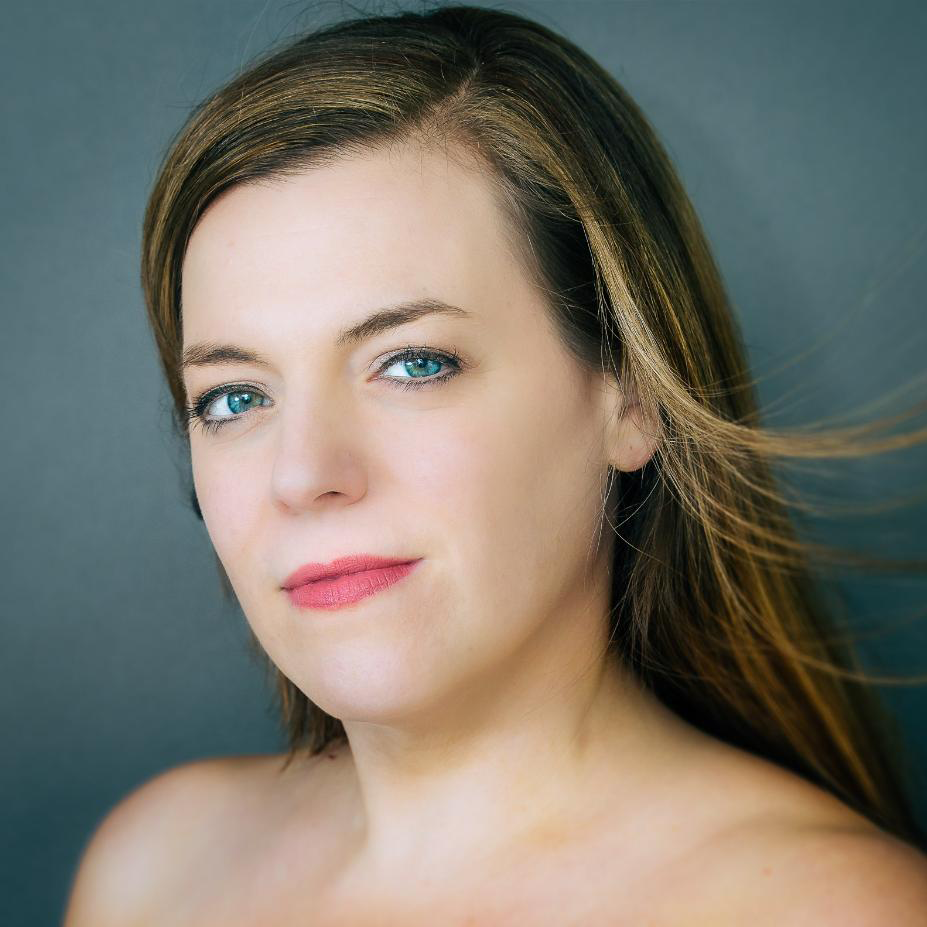
Soprano Melinda Whittington will be making her Minnesota Opera debut on May 4, when she takes the Ordway stage to sing the role of Mimì in Giacomo Puccini’s timeless masterpiece La bohème. Hear from her as she describes the ways in which she relates to her character, what she is focused on as she prepares for this role, what she’ll be up to during her stay in the Twin Cities, and more!
Describe your character in three words.
Melinda Whittington: Only three?! Loving, Innocent, Generous.
What are some of the joys and challenges of performing this role?
MW: I’ll start with the challenges, so we can end on a high note! The biggest challenge is how iconic it is! There are countless great sopranos who have put their stamp on Mimì, and there are expectations because of how well–known it is. From a vocal standpoint, the difficulty is that while there are of course some GORGEOUS sweeping high moments, the tessitura of the role – or where it sits – is actually quite low. Keeping the low middle voice grounded and well balanced, so that it is present and full, is the biggest challenge for me. The joys are almost too numerous to list! The reasons that La boheme is so timeless below are a huge part of it. On a more personal note, Mimì was the spark that made me want to be an opera singer. I remember driving around my college campus, sobbing while listening to Mirelli Freni sing the big climax in “Si, mi chiamano Mimì.” I felt deep in my bones at that moment that this, this catharsis of the human experience through the raw power of the human voice and the operatic form, was the way I was created to make a difference on this earth. Cheesy, perhaps, but it’s a specific moment and feeling that I come back to often on my artistic journey, which keeps me grounded in why I do what I do.
What themes or messages from La bohème do you think brings audiences back time and time again? In what ways is this piece relevant today?
MW: Love and fear are two sides of the same coin and a universal experience. La bohème is timeless because Puccini has created such REAL characters. They are not stereotypes or stock operatic characters, but rather complex humans. While yes, there is the stereotypical operatic “love at first sight” between Mimì and Rodolfo, they (and Musetta and Marcello) have disagreements, break up and get back together, and struggle with fear holding them back from honest communication. Both of these relationships feel deeply relatable and honest. The story captures deep truths about love, friendship, societal structures, and the value of art and artists within that society. In his verismo style, Puccini capitalizes on the operatic form’s power to express raw human emotion, but without the trappings of pretentious grand opera that can feel unapproachable to a modern audience. Mimì’s first act aria ends with an unaccompanied self–deprecating statement to Rodolfo that she’s just his neighbor who’s come to annoy him – an ending so “awkward” in its naturalism that sometimes audiences don’t even realize it’s the end! When Mimì is alone with Rodolfo at the end, “sono andati” begins with a simple C minor block chord, then adds the seventh, then the sixth, and it is absolutely DEVASTATING. And no big dramatic scene here – Mimì just fades away when her friends believe her to be sleeping.
How do you see yourself in your character?
MW: I think my temperament is very similar to Mimì’s, and that makes it easy to connect with her. Nothing matters more to me than the people I love.
What do you hope that audiences will take away from this production?
MW: It doesn’t get much better than this! There’s a reason this is one of the top three most popular operas of all time. Whether you’ve seen it countless times or are experiencing opera for the first time, there is something here for you. Humor, simplicity, relatability, and yes, even a healthy dose of that magical, all–encompassing grandeur that only opera can give! I hope you allow yourself to be transported into the tragic and beautiful world of these young artists, and leave with new insights about yourself, others, and the world around us. Because, and I think all these characters would agree, isn’t that the point of art?
What approach are you taking/did you take to prepare for this role and what are you hoping to bring to your character?
MW: I performed Mimì as a young artist, but it’s been a long time since I’ve done the whole role. I’ve used the arias, duets, and many other scenes in various programs and auditions, so the work of simply getting it back into my brain and voice was fairly quick. But I’m coming at the role as a whole after over a decade, with a heck of a lot more life experiences and vocal changes after two children. Luckily, the latter only resulted in my voice being richer, darker, and fuller in the middle, and as a result, my voice is more suited than ever to this beautiful music! And the former always helps any role! Since those two children are now two toddler boys, in practical terms my approach to preparation was “get whatever practice and exploration time I can when I can!”
Do you have any plans for your time in Minnesota? Anything you are particularly excited to do while you are in town?
MW: I love exploring a new city’s food scene, breweries, coffee shops, and art museums! I have two little ones (Isaac, 5 and Simon, 3) who are staying at home with Daddy for the first time, instead of coming along with me (I’m going to miss those little nuggets so much!!) So, when my family comes to visit, we look forward to checking out lots of kid–friendly activities…the Children’s Museum, the Science Museum, Can Can Wonderland, the zoo, a riverboat cruise, and exploring new–to–us playgrounds are currently on the list! Suggestions welcome!
—
Catch Melinda and the rest of the cast of La bohème on stage at the Ordway, May 4-19!